Law of Writs
Affiliate link — we may earn a commission. Learn more
Law of Writs – Muralidharan R
Updated July 2026
The Law of Writs course by Muralidharan R delivers a clear, practice‑oriented roadmap to the five prerogative writs that safeguard liberty in India. This Udemy course answers the search for a free law course, a law writs Udemy course, and a reliable way to learn writs online. It equips lawyers, law students, and aspiring judges with the ability to distinguish writ types, navigate Articles 32 and 226, and apply remedies to real‑world scenarios, preparing you for examinations and courtroom practice alike.
What You'll Learn
- Define the five prerogative writs—Habeas Corpus, Mandamus, Certiorari, Prohibition, and Quo Warranto—with precise legal terminology.
- Master the constitutional jurisdictional differences between Article 32 and Article 226 and when each is appropriate.
- Learn to identify valid grounds for judicial review and avoid common procedural pitfalls.
- Understand the strategic use of writ remedies in real‑world legal scenarios, from administrative overreach to criminal detention.
- Create concise legal arguments that integrate writ provisions for exam essays and courtroom briefs.
- Apply the concepts to competitive exams such as the Judiciary, UPSC, and CLAT PG, ensuring exam‑ready confidence.
- Analyze case law examples that illustrate successful writ petitions and their impact on fundamental rights.
- Implement a step‑by‑step filing checklist for each writ, streamlining the preparation of petitions.
Course Details
- Instructor: Muralidharan R
- Rating: 5.0 stars (based on learner reviews)
- Language: English (en‑US)
What This Course Covers
Fundamentals of the Five Prerogative Writs
- Definition and historical evolution of each writ.
- Core elements required to invoke Habeas Corpus, Mandamus, Certiorari, Prohibition, and Quo Warranto.
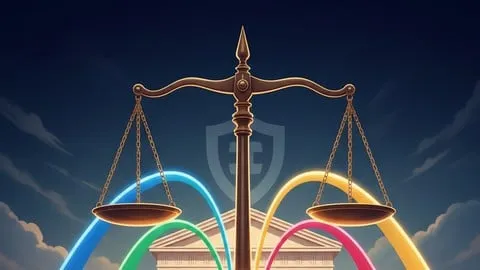
- Comparative chart highlighting the “Five Fingers of Justice.”
Constitutional Jurisdiction: Articles 32 vs 226
- Detailed analysis of Supreme Court jurisdiction under Article 32.
- Scope of High Court jurisdiction under Article 226.
- Practical decision‑tree for selecting the appropriate article in a petition.
Strategic Application of Writ Remedies
- How to match factual scenarios with the correct writ.
- Drafting techniques for effective relief claims.
- Role‑playing exercises that simulate courtroom arguments.
Grounds for Judicial Review
- Identifying procedural and substantive errors that trigger review.
- Examination of landmark judgments shaping writ jurisprudence.
- Checklist for assessing the viability of a judicial review application.
Exam‑Focused Writ Practice
- Sample multiple‑choice questions and essay prompts from Judiciary, UPSC, and CLAT PG exams.
- Timed practice tests with answer explanations.
- Tips for memorizing writ elements under exam pressure.
Real‑World Case Studies
- Analysis of recent Supreme Court and High Court writ orders.
- Impact of writs on public policy and administrative accountability.
- Lessons learned from failed petitions and how to avoid them.
Who Should Take This Course
- Law students seeking a solid foundation in writ law for academic exams.
- Aspiring judges preparing for the Judiciary Service Examination.
- UPSC and CLAT PG candidates who need targeted writ practice.
- Practicing lawyers who want a concise refresher on procedural nuances.
- Civically engaged citizens interested in using writs to challenge administrative actions.
Prerequisites
- No prior experience needed — this course is beginner‑friendly and explains concepts from first principles.
- Basic familiarity with the Indian Constitution is helpful but not required.
Why Enroll in This Course
The Law of Writs course delivers a focused, jargon‑free learning path that transforms complex constitutional provisions into actionable knowledge. A free coupon is currently available for a limited time, offering 100 % off the regular price, so you can start learning without financial barriers. Compared with other Udemy law offerings, this course stands out for its practical filing checklists, exam‑ready practice tests, and clear distinction between Articles 32 and 226.
Course Highlights
- Lifetime access to all video lessons and downloadable resources.
- Self‑paced format lets you study whenever you choose, on desktop or mobile.
- Certificate of completion to showcase your mastery of writ law on LinkedIn or your résumé.
- Real‑world case studies that illustrate how writs shape Indian jurisprudence.
- Exam‑focused practice tests designed for Judiciary, UPSC, and CLAT PG aspirants.
- 30‑day money‑back guarantee for risk‑free enrollment.
Frequently Asked Questions
Q: Is this course really free?
A: Yes. A free coupon provides 100 % off the regular Udemy price, allowing you to enroll at no cost while the coupon remains active.
Q: What will I learn in this Law of Writs course?
A: You will learn to define and distinguish the five prerogative writs, master the jurisdictional nuances of Articles 32 and 226, apply writ remedies to practical legal problems, and identify grounds for judicial review. The curriculum also includes exam‑oriented practice questions and real‑world case analyses.
Q: Do I get a certificate after completing this course?
A: Yes. Upon finishing all lectures and assessments, Udemy issues a certificate of completion that you can share with employers or academic institutions.
Q: Is this course suitable for beginners?
A: Absolutely. The instructor removes legal jargon and builds concepts from the ground up, making the material accessible to law students, new lawyers, and anyone interested in constitutional remedies.
Q: How long do I have to enroll for free?
A: The free coupon is available for a limited period; once the coupon expires, the course returns to its standard price. Enroll now to lock in the 100 % discount before the offer ends.
Final Thoughts
The Law of Writs Udemy course by Muralidharan R equips lawyers, students, and aspirants with the practical skills needed to master writ law and succeed in competitive examinations. Take advantage of the free coupon, claim your certificate, and begin your journey toward confident, courtroom‑ready expertise today.
Affiliate link — we may earn a commission
Affiliate link — we may earn a commission. Learn more