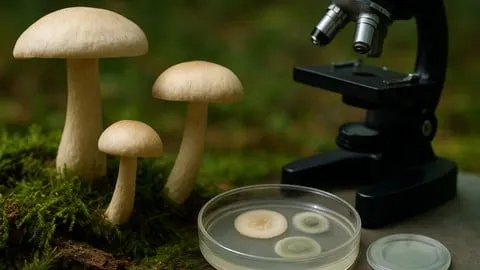
Introduction to Mycology: The Biology of Fungi
Affiliate link — we may earn a commission. Learn more
Introduction to Mycology: The Biology of Fungi – taught by Mohamed AL ashram – is a comprehensive Udemy offering that answers the most common search queries such as “free mycology course,” “mycology Udemy course,” and “learn mycology online.” Updated July 2026, this online course covers fungal diversity, genetics, pathology, and industrial applications, delivering practical laboratory skills and a solid foundation for certification‑oriented training. Whether you are a biology student, a medical professional, or an environmental researcher, the course equips you with real‑world knowledge that translates directly into academic or career advancement.
What You'll Learn
- Build a detailed taxonomy of fungi, distinguishing major groups by morphology and life cycle.
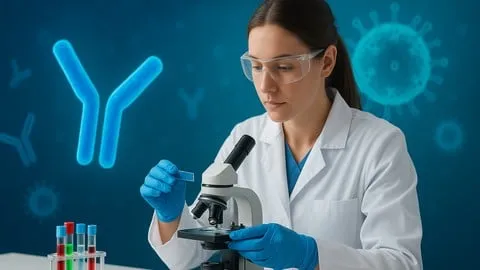
- Master laboratory techniques for fungal isolation, culture, and microscopic identification.
- Learn the genetics and molecular biology underlying fungal reproduction and evolution.
- Understand pathogenic fungi that cause human, animal, and plant diseases, including Candida and filamentous species.
- Create diagnostic workflows for fungal infections using modern mycological methods.
- Implement antifungal drug strategies and resistance management in clinical settings.
- Analyze the ecological roles of fungi in carbon cycling, soil health, and climate regulation.
- Explore industrial and agricultural applications such as food fermentation, biocontrol, and synthetic biology.
Course Details
- Instructor: Mohamed AL ashram
- Rating: 3.3 stars (based on student reviews)
- Enrolled students: 113,470
- Level: Beginner → Intermediate
- Language: English (en‑US)
- Last updated: July 2026
- Certificate: Yes, upon completion
- Includes: Lifetime access, mobile‑friendly video playback, downloadable resources
What This Course Covers
Foundations of Mycology
- Introduction to fungal biology, historical milestones, and the significance of fungi as “unseen engineers of life.”
- Overview of fungal taxonomy, major phyla, and distinguishing morphological features.
- Discussion of the discovery of Penicillin and its impact on medicine and biotechnology.
- Real‑world examples of beneficial and harmful fungi in natural ecosystems.
Fungal Cell Biology & Genetics
- Structure of hyphae, spores, and mycelial networks across diverse taxa.
- Metabolic pathways unique to fungi, including fermentation and secondary metabolite production.
- Genetic mechanisms governing sexual and asexual reproduction, mating types, and genome evolution.
- Laboratory techniques for DNA extraction, PCR, and sequencing of fungal specimens.
Medical Mycology
- Identification of clinically important pathogens: Candida albicans, Cryptococcus neoformans, Aspergillus fumigatus.
- Disease profiles such as histoplasmosis, blastomycosis, and dermatophytosis.
- Diagnostic methods: culture media, microscopy, serology, and molecular assays.
- Principles of antifungal therapy, drug classes, resistance patterns, and treatment guidelines.
Ecological & Environmental Mycology
- Role of fungi as decomposers and nutrient recyclers in forest and soil ecosystems.
- Symbiotic relationships: mycorrhizae, endophytes, and lichens.
- Impact of fungi on carbon sequestration, climate change mitigation, and ecosystem resilience.
- Case studies of fungal biocontrol agents protecting crops from pathogens.
Industrial & Biotechnological Applications
- Fermentation processes for bread, beer, cheese, and biofuel production.
- Enzyme production (cellulases, ligninases) for industrial waste treatment.
- Synthetic biology approaches: engineered yeast strains for pharmaceuticals and chemicals.
- Emerging markets for fungal biomaterials, mycelium packaging, and sustainable textiles.
Future Trends in Mycology
- Advances in fungal genomics and CRISPR‑based editing tools.
- Exploration of fungal bioinformatics for drug discovery and environmental monitoring.
- Prospects for mycological contributions to circular economies and climate solutions.
- Interdisciplinary research pathways linking mycology with microbiology, ecology, and engineering.
Who Should Take This Course
- Biology and microbiology undergraduates seeking a clear, structured introduction to fungal science.
- Medical, veterinary, and pharmacy students who need a solid foundation in fungal pathogens and antifungal therapy.
- Environmental scientists and ecologists interested in nutrient cycling, soil health, and climate‑related fungal functions.
- Agricultural professionals and food‑science technologists aiming to apply fungal biotechnology in fermentation and biocontrol.
- Enthusiastic hobbyists, naturalists, and researchers looking to deepen interdisciplinary knowledge of mycology.
Prerequisites
- No prior experience needed — this course is beginner‑friendly.
- Basic high‑school biology concepts (cell structure, basic genetics) are recommended but not required.
Why Enroll in This Course
This free coupon makes the full Udemy training available at 100 % off for a limited time, giving learners instant access to a complete mycological curriculum without financial barriers. The course stands out because it blends theoretical depth with hands‑on laboratory practice, preparing students for both academic examinations and real‑world diagnostics. By completing the program, you gain a recognized certificate of completion, a valuable credential for graduate applications, research positions, or industry roles.
Course Highlights
- Lifetime access to all video lectures, quizzes, and downloadable PDFs.
- Self‑paced learning that fits any schedule, with mobile‑friendly streaming on phones or tablets.
- Certificate of completion that can be added to LinkedIn or CVs for professional credibility.
- Comprehensive lab modules covering isolation, culture, and microscopic identification of fungi.
- Real‑world case studies linking fungal biology to medicine, agriculture, and biotechnology.
- 30‑day money‑back guarantee for peace of mind if the content does not meet expectations.
Frequently Asked Questions
Q: Is this course really free?
A: Yes. A free coupon provides 100 % off the regular price, granting full access to all course materials at no cost while the promotion remains active.
Q: What will I learn in this mycology course?
A: You will master fungal taxonomy, cell biology, genetics, pathogenic mechanisms, diagnostic techniques, and industrial applications, gaining both theoretical insight and practical laboratory skills.
Q: Do I get a certificate after completing this course?
A: Upon finishing all lectures and assessments, Udemy issues a downloadable certificate of completion that you can share with employers or academic institutions.
Q: Is this course suitable for beginners?
A: Absolutely. The curriculum starts with foundational concepts and progresses to advanced topics, making it ideal for students with little or no prior mycological
Affiliate link — we may earn a commission
Affiliate link — we may earn a commission. Learn more