
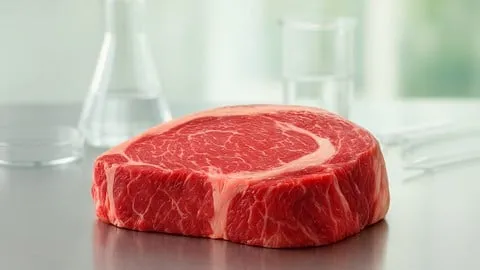
Principles of Meat Science: Meat Quality, Processing Safety
Affiliate link — we may earn a commission. Learn more
Principles of Meat Science: Meat Quality, Processing Safety – taught by Mohamed AL ashram, is a deep‑dive Udemy course that lets you master meat science without spending a dime. Updated July 2026, this free online course covers everything from muscle biology to modern safety standards, preparing you for real‑world roles in food quality and processing. Whether you search for a free meat science course, a Udemy meat processing course, or simply want to learn meat quality online, this training delivers practical skills, industry‑relevant knowledge, and a certificate of completion.
What You'll Learn
- Build a solid understanding of muscle structure, function, and how it converts to edible meat.
- Master the biochemical processes that affect tenderness, color, and water‑holding capacity during rigor mortis.
- Learn the impact of genetics, nutrition, and animal handling on final meat quality.
- Understand key slaughter and carcass‑evaluation techniques used in modern processing plants.
- Create value‑added meat products by applying curing, smoking, fermentation, and packaging methods.
- Implement food‑safety protocols that control microbial hazards and meet international regulations.
- Apply sensory‑evaluation methods to assess consumer preferences and market trends.
- Analyze emerging issues such as plant‑based alternatives, sustainability, and animal‑welfare considerations in the meat industry.
Course Details
- Instructor: Mohamed AL ashram
- Rating: 4.3 stars (based on thousands of reviews)
- Enrolled students: 112,579
- Language: English (en‑US)
- Last updated: July 2026
- Certificate: Yes, upon completion
- Includes: Lifetime access to all video lectures, mobile‑friendly streaming, downloadable resource files
What This Course Covers
Muscle Biology & Meat Composition
- Fundamental anatomy of skeletal muscle and its role as a food source.
- Cellular and biochemical changes from live tissue to post‑mortem meat.
- Factors influencing muscle fiber type, growth, and ultimate product quality.
- Practical demonstrations of muscle sampling and laboratory analysis.
Meat Quality Development
- Rigor mortis timeline and enzymatic activity affecting tenderness.
- Color stability, water‑holding capacity, and pH evolution in fresh meat.
- Genetic and nutritional strategies to improve carcass traits.
- Real‑world case studies on quality control in processing facilities.
Processing Methods & Value‑Added Products
- Step‑by‑step overview of slaughter, chilling, and carcass grading.
- Techniques for curing, smoking, fermentation, and freezing to extend shelf life.
- Packaging technologies that preserve safety and sensory attributes.
- Formulation basics for developing sausages, jerky, and other meat products.
Safety, Hygiene, & Regulatory Standards
- Identification of common microbial hazards in meat processing.
- HACCP principles and implementation in a commercial environment.
- International food‑safety regulations and compliance checkpoints.
- Hands‑on inspection procedures for sanitation and traceability.
Sensory Evaluation & Consumer Trends
- Structured sensory panels and data‑analysis methods.
- Linking consumer preferences to product development decisions.
- Market drivers influencing purchasing behavior for meat and alternatives.
- Strategies for communicating quality attributes to end‑users.
Emerging Topics & Sustainability
- Overview of plant‑based meat analogues and hybrid products.
- Environmental impact assessments of livestock versus alternative proteins.
- Welfare considerations and their effect on meat quality perception.
- Future research directions and technological innovations in meat science.
Who Should Take This Course
- Industry professionals in meat processing, packaging, or food‑safety quality assurance.
- Undergraduate or graduate students studying animal science, food technology, agriculture, nutrition, or public health.
- Food technologists seeking to expand expertise in meat product formulation and safety.
- Regulatory specialists who need a scientific foundation for compliance audits.
- Researchers interested in the latest trends of sustainability and alternative protein sources.
Prerequisites
- No prior experience needed — this course is beginner‑friendly and starts with basic biology.
- A general interest in food science or a background in biology, chemistry, or agriculture is recommended but not required.
Why Enroll in This Course
Enrolling now gives you access to a free coupon that provides 100 % off for a limited time. The offer expires soon, so act before the discount disappears. Compared with other meat‑science trainings, this Udemy class combines academic rigor, industry examples, and hands‑on activities in a single, self‑paced package. The certificate adds credibility to your résumé, while lifetime access lets you revisit complex topics whenever you need.
Course Highlights
- Lifetime access to all video lectures and supplemental materials.
- Self‑paced learning that fits around work or study commitments.
- Certificate of completion to showcase on LinkedIn or a CV.
- Mobile‑friendly platform allowing study on smartphones, tablets, or TV.
- Practical demonstrations that bridge theory with real‑world processing.
- 30‑day money‑back guarantee for peace of mind if the content does not meet expectations.
Frequently Asked Questions
Q: Is this course really free?
A: Yes. By applying the available Udemy coupon, you can enroll at 100 % off. The promotion is time‑limited, so the free status applies only while the coupon remains active.
Q: What will I learn in this meat science course?
A: You will master muscle biology, meat‑quality biochemistry, processing techniques, safety protocols, sensory evaluation, and emerging sustainability topics. Each module delivers concrete skills you can apply directly in industry or research.
Q: Do I get a certificate after completing this course?
Affiliate link — we may earn a commission
Affiliate link — we may earn a commission. Learn more